
Safety in hazardous goods transport
Every day, thousands of products travel by sea, air and land. Among these are goods that, if not handled properly, have the potential to disrupt our daily lives and endanger environmental integrity.
We are talking about dangerous goods: volatile substances, reactive chemicals, radioactive materials and other items that require exceptional care and attention.
Have you ever wondered how it is possible for these materials to be transported with such millimetric efficiency and, at the same time, with such a reduced risk? The answer lies in the meticulousness and dedication with which safety is approached in the transport of these goods.
Discover the protocols, technologies and people that ensure that, despite the inherent risks, our lives continue undisturbed and safe.

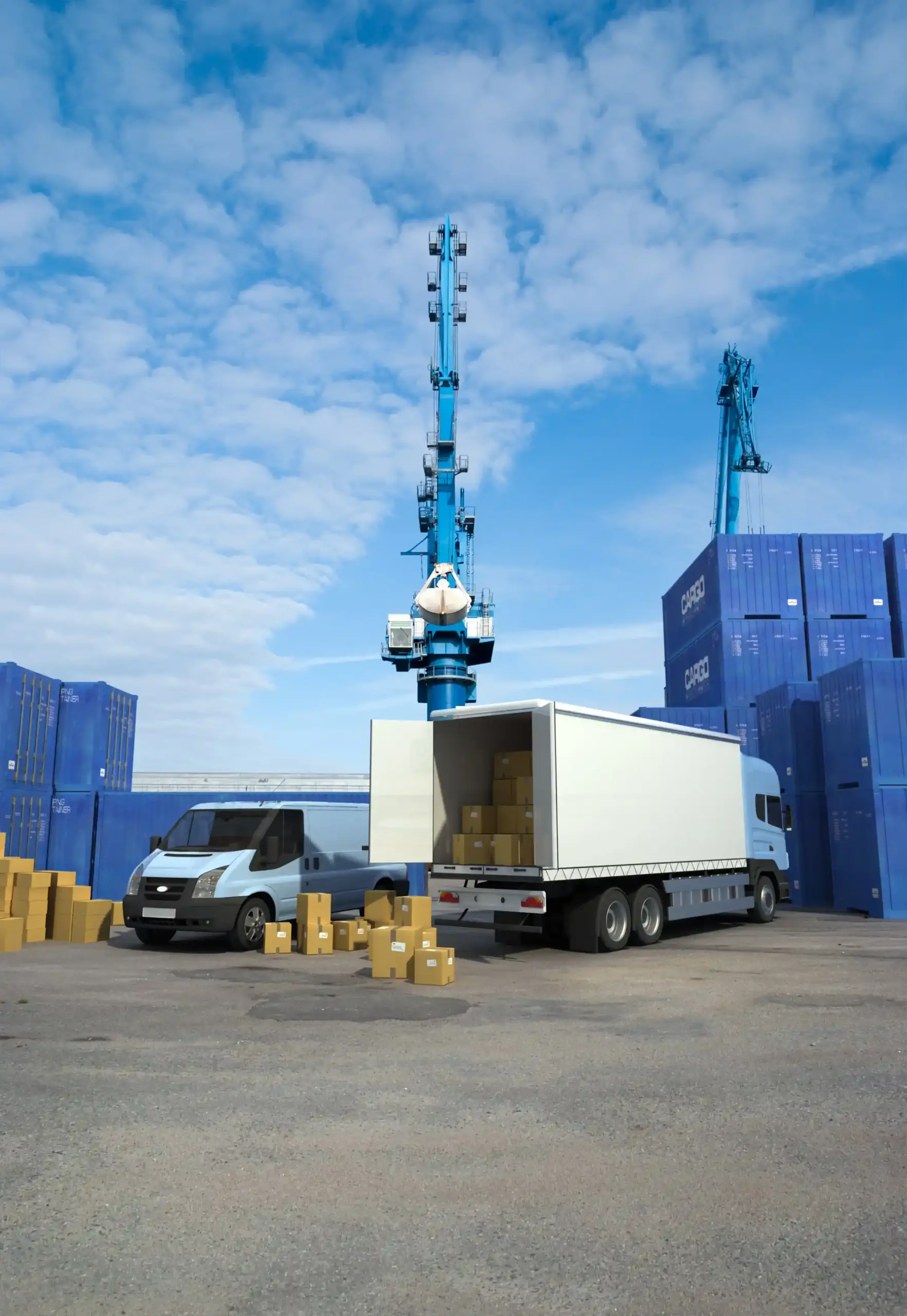
ADR - RID - IMDG - IATA - Transport Safety Consultancy
The hazardous goods transport is a sensitive and strictly regulated issue at the international level. Organizations and treaties such as ADR, RID, IMDG and IATA have established specific regulations and guidelines. The aim is to ensure that these goods travel safely and efficiently, minimizing the associated risks.
If you are seeking advice in this area, it is vital to consider the following aspects:
Agreements and regulations Knowledge
- ADR: It is mainly applicable in Europe and regulates the hazardous goods transport by road.
- RID: Covers the transport by rail in Europe.
- IMDG: Establishes regulations by sea.
- IATA: Establishes the transport guidelines by air
Training and certification
Specialized training is crucial. All personnel involved in the chain (packaging, loading, transport and unloading) must be properly trained and certified according to the relevant standards.
Classification and labeling
Goods must be correctly classified and labeled according to their hazard level. The objective is to adequately inform all the agents involved about the associated risks and the precautions to be taken.
Specialized equipment
Depending on the good’s type, special vehicles or containers may be required. Personal protective equipment for cargo handlers may also be required.
Emergency planning
It is essential to have emergency response plans for emergencies that may arise during the trip, including spills, fires or accidents.
Audits and reviews
Periodic checks should be made to ensure that all regulations are being followed to the letter and to identify areas for improvement.
Constant updating
Regulations may change or be updated over time. It is essential to keep up to date with the latest guidelines and adapt to them.
If you are looking for advice in this sector, we are a comprehensive consultancy. We have a highly qualified multidisciplinary team in the areas of quality, environment and safety. In addition, we offer services to small and large companies. One of our main values is that we adapt to each client’s specific needs.
Multimodal security advisor
Today, it has become imperative to have an integrated and comprehensive approach to ensure safety in the hazardous goods transport. This is where the multimodal safety advisor comes into play. This is a qualified professional who oversees and ensures safety in the logistics chain, regardless of the means used.
This figure specializes in ensuring that all the regulations of this agreement are complied with: From proper packaging and correct labeling to personnel training and emergency response.
The responsibility of a multimodal safety advisor goes beyond ADR. They must also be familiar with other international regulations, such as RID, IMDG and IATA guidelines. Their knowledge must be comprehensive and up-to-date, as regulations can change and adapt over time.
ADR Safety Advisor
ADR is a European agreement that regulates the international transport of hazardous goods by road. It establishes a specific set guidelines that must be strictly followed to ensure safety on the road. Interpreting, applying and keeping up to date with these regulations requires a specialized expert: the ADR Safety Advisor.
Their role is not limited to simply knowing the law. These professionals are responsible for providing safety advice to companies. They guide them through the multiple layers of regulation and ensure that operations are conducted with the highest level of integrity and safety.
Their work goes beyond mere compliance. It seeks to ensure that every movement, from packing to unloading, is carried out in a way that minimizes risks to people, property and the environment.
RID Safety Advisor
Railroads, which often transport large quantities of goods over long distances, also play a key role in this equation. To ensure that these goods are transported safely on the rail system, the RID Safety Advisor comes into the picture.
The RID Safety Advisor is the expert in charge of:
- Regulatory interpretation and enforcement: Responsible for the correct RID guidelines understanding and application. Ensures that railway companies and operators comply with all relevant regulations.
- Education and training: Provides specialized training to personnel involved in the logistics of hazardous goods transport by rail. Ensures that they are aware of their responsibilities and best practices.
Specialized advice on hazardous goods by sea (IMDG)
This product represents a segment that requires meticulous and expert attention. To ensure safety, the International Maritime Dangerous Goods (IMDG) Code establishes essential guidelines for the transport of such goods by sea. Given the critical nature of this environment, expert advice is essential.
The IMDG Code sets out detailed regulations on how to classify, package, transport and handle dangerous goods on the high seas. Expert advice will provide an accurate and up-to-date interpretation of these regulations, adapting them to the specific needs of each operation.
Correctly identifying the type and degree of danger of a cargo is paramount. An expert advisor will assist in the correct classification and labeling, ensuring that all parties involved in the chain are informed and prepared.
It is also essential that everyone is properly trained, from the ship’s crew to the personnel on shore. An IMDG expert advisor can provide or recommend specific training programs.

Specialized advice on hazardous goods by air (IATA)
At thousands of feet in the air, any unforeseen event can have catastrophic consequences. For this reason, the International Air Transport Association (IATA) has established stringent regulations for the safe carriage of these goods. To ensure compliance and safety at every stage, expert advice is essential.
IATA dangerous goods regulations are constantly evolving to adapt to new discoveries and technologies. A specialist advisor will provide an accurate interpretation of these regulations, ensuring that operations are always in line with the most current guidelines.
Each commodity must be properly classified and accompanied by the relevant documentation. From safety data sheets to shipping declarations, a consultant will ensure that every detail is in place.
In addition, air transport has specific requirements regarding the packaging of these types of goods. Expert advice will ensure that these goods are packed securely and in compliance with regulations.

